

Bachelor’s Degree in Physiotherapy
Leave us your details and we will contact you
4 years
September 2027
On campus
240 (60/year)
Spanish
40 places
Programme Objectives
The Bachelor's Degree in Physiotherapy at UNINDE provides theoretical and practical training in rehabilitation, prevention, and health promotion. Over the course of four years, students will develop skills in assessment, diagnosis, intervention, and follow-up of physiotherapy treatments, working both independently and in multidisciplinary teams. With practical experience in real-world settings, the programme guarantees comprehensive training tailored to the current needs of the healthcare sector.
Acquire knowledge and skills
Acquire knowledge and skills to design and implement physiotherapy intervention plans in various health areas.
Work in multidisciplinary teams
Work in multidisciplinary teams, collaborating with other professionals to provide comprehensive patient care.
Assess the patient's functional status
Assess the patient's functional status considering physical, psychological and social aspects, and adjusting treatments according to the results.
Promote research and continuous updating
Promote research and continuous updating, to improve interventions and contribute to the advancement of physiotherapy.
Develop practical skills
Develop practical skills in physiotherapy techniques for musculoskeletal, neurological, respiratory, sports, and other pathologies.
Promoting health and preventing disease
Promoting health and preventing diseasethrough intervention programmes in different contexts, such as primary, geriatric and sports care.
Manage healthcare resources
Manage healthcare resources and coordinate physiotherapy activities in public and private healthcare settings.
Methodology and support
Theoretical classes, specialised laboratories, clinical simulation and guaranteed practical training in professional centres.
Acquisition of technical knowledge in physiotherapy, specific clinical skills, professional ethics, effective communication with patients and collaborative work in multidisciplinary teams.
Progressive monitoring of learning through practical and theoretical tests, applied projects and Final Degree Project.
Academic tutoring, professional mentoring and individualized follow-up throughout the training programme.
Virtual campus, advanced digital environments, updated bibliography and professional simulation tools.
Integration of technological innovation with ethical sensitivity and social commitment, aligned with UNINDE's DNA.
ACADEMIC STRUCTURE
Curriculum
The Physiotherapy Degree programme at UNINDE is designed to provide you with comprehensive training that will prepare you to be a highly qualified physiotherapist. Over the course of four years, you will combine theoretical knowledge, real-world clinical practice, and professional experience, developing essential technical, ethical, and interpersonal skills for the practice of physiotherapy.
Basic training
Fundamental subjects in health sciences: anatomy, physiology, biochemistry, psychology and public health, which constitute the scientific basis of the degree.
Compulsory subjects in Physiotherapy
Clinical and practical classes prepare you to apply physiotherapy in different contexts, from musculoskeletal, neurological, respiratory, and sports rehabilitation to primary and community care. Key aspects such as professional ethics, healthcare management, and physiotherapy assessment are also covered.
Clinical practice
Throughout the degree, you will undertake clinical placements in professional centres and real health environments, where you will gain direct experience with patients, applying what you have learned in theoretical classes and working alongside other health professionals.
Electives
Subjects geared towards specialisation in specific areas of physiotherapy, such as sports physiotherapy, geriatric physiotherapy and neurological rehabilitation, which will allow you to personalize your training according to your interests and professional goals.
Final Degree Project
The Final Degree Project (TFG) is an integrative project where you will consolidate the knowledge and skills acquired during your degree, applying them in a practical case that demonstrates your ability to address complex problems in the field of physiotherapy.
PROFESSIONAL FUTURE
Career opportunities and employability
Physiotherapy graduates from UNINDE have the necessary training to work independently or as part of multidisciplinary teams in various public and private settings. The main career paths are detailed below:

Professional practice in the hospital setting, working with patients from various specialties, applying rehabilitation and functional recovery techniques.
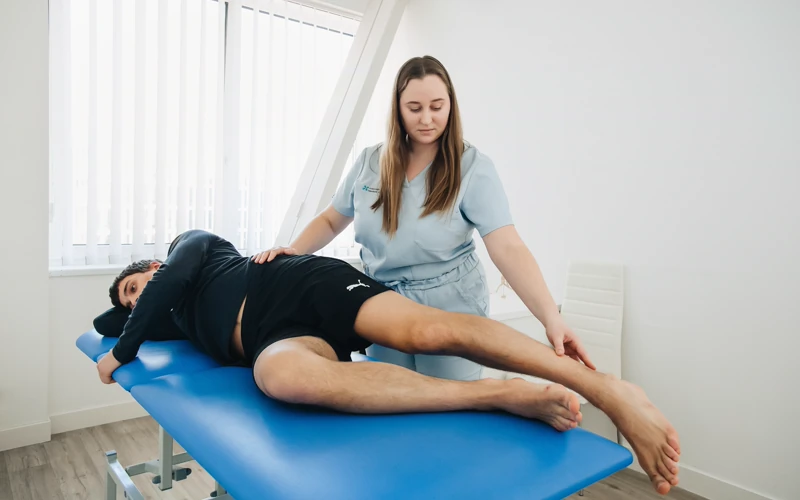
Intervention in health centres, preventive programmes and rehabilitation in the community.

Treatment and prevention of injuries in high-level athletes in sports centres and performance teams.
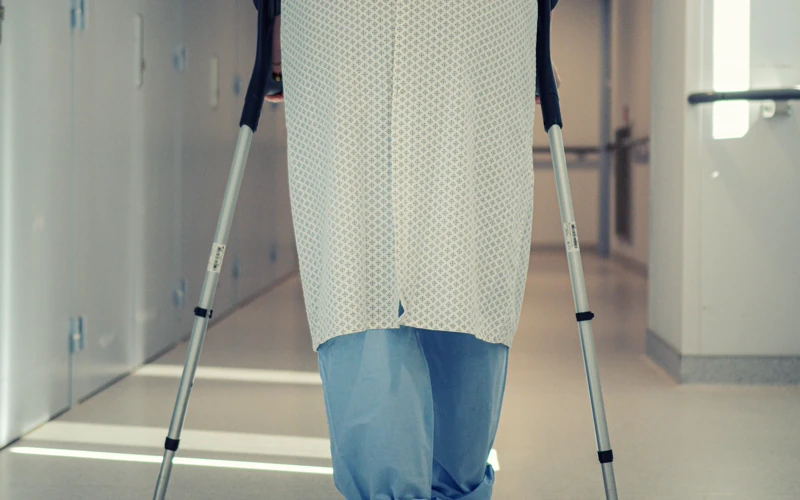
Providing care to elderly people in nursing homes, rehabilitation centres and geriatric units, improving the quality of life of patients.
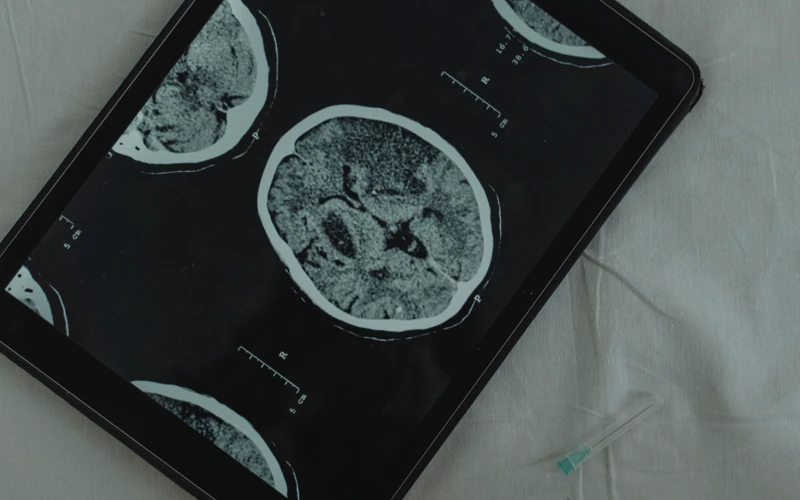
Intervention in neurological rehabilitation and treatment of mental disorders, collaborating with other health professionals.
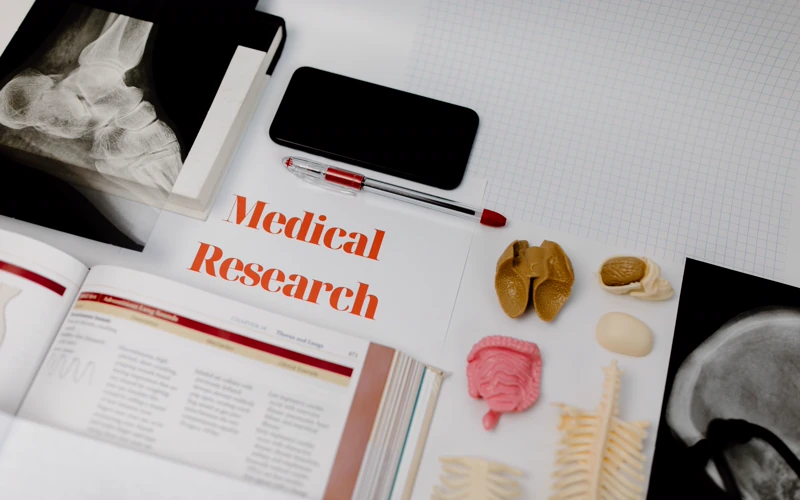
To develop research in the field of physiotherapy and contribute to the training of future professionals in the academic field.
PROFESSIONAL FUTURE
Company internship
Internships are a fundamental part of the Physiotherapy Degree at UNINDE, allowing students to gain direct experience in the professional field. Through collaborations with hospitals, clinics, health centres, and other prestigious institutions, our students have the opportunity to apply what they have learned in real-world situations, developing their skills and competencies in a professional environment.
Admissions
Admission process
Complete your registration quickly and easily. Follow these steps to secure your place and begin your Physiotherapy degree, with everything you need to access resources and tools from day one.
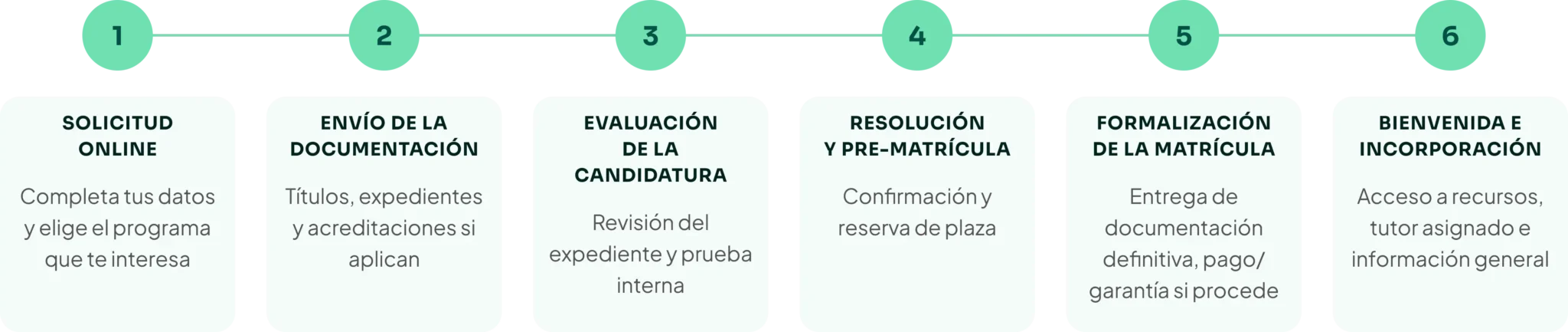
Access requirements and documentation
To be admitted to the Bachelor's Degree in Physiotherapy, students must meet the requirements established by current regulations and submit the necessary documentation. The requirements are detailed below according to the admission route:
Valid academic access
High School Diploma, Higher Level Vocational Training or other official accreditation that allows access to university.
Official academic record
Full academic certificate detailing subjects taken, grades obtained and completion of previous studies.
Identification document
Valid ID card or passport and, if applicable, official recognition or translation of foreign studies.
Language accreditation
A recognized certificate that proves the required language level, when the qualification establishes this specific requirement.
Additional documentation
Additional requirements arising from agreements, internships, mobility or other particular academic situations.
Regulations and accreditations
The Bachelor’s Degree in Physiotherapy is governed by the current regulations on official university education in Spain, guaranteeing its academic quality, scientific rigour and official recognition.
The organization, verification and accreditation of official curricula follow the requirements laid down in Royal Decree 822/2021, which regulates the organization of university education and ensures its quality.
Furthermore, official qualifications allowing the practice of physiotherapy are verified under Order CIN/2135/2008, which establishes the verification requirements for these degrees valid throughout the national territory.
Official links
Want to know more?
Download the complete curriculum
Access detailed information on subjects, competencies, ECTS credits, and course structure for the Bachelor's Degree in Physiotherapy at UNINDE. This plan will help you understand what you will study at each stage of the degree and how the theoretical and practical content are integrated.
Contact the Guidance Team
Do you have questions about admission, enrolment, internships, or career opportunities for the Physiotherapy degree? Our Guidance Team is available to answer your questions, explain the application process, or help you prepare your application. Request information and we'll answer all your questions.
FAQs
We have gathered here the answers to the most common questions about UNINDE so that you can find the information you need quickly and easily.
If your question remains unanswered or you need more details, our team will be happy to help. Just write to us and we'll get back to you as soon as possible.
How long does the Physiotherapy degree last and what should I know about its duration?
The Bachelor's Degree in Physiotherapy lasts 4 years (240 ECTS) and combines theoretical training with clinical practice hours, preparing you to practice as a physiotherapist with a solid foundation in health sciences and professional skills.
What academic requirements do I need to study Physiotherapy at UNINDE?
To access the degree you must have a valid accreditation for access to university (such as Baccalaureate, Higher Vocational Training or equivalent studies) and meet the specific academic requirements established according to current regulations for health qualifications.
Do I need to do an internship during my degree?
Yes — physiotherapy is a health discipline with a practical approach, so the curriculum includes mandatory clinical placements from the first years, which are carried out in hospitals, clinics and rehabilitation centres so that you can apply your techniques in real situations.
What career opportunities does a Physiotherapy degree offer?
Physiotherapists can work in a wide variety of settings such as hospitals, rehabilitation centres, primary care, sports centres, private practices, geriatrics or community care, and even develop roles in management, research or teaching.
Can I practice my profession throughout Europe with this degree?
To practise in another European country, you must check the professional recognition and registration requirements set by the competent authority in that country. The degree alone does not mean you can automatically practise without further procedures.
Is it difficult to study Physiotherapy?
The degree combines theory and practice and requires dedication, especially in areas such as anatomy, biomechanics and manual skills, but with motivation and effort it is an accessible and rewarding training for those with a health vocation.